 29 tháng 3 năm 1973 -
Operation Homecoming was completed when the last of 591
U.S. prisoners were released and returned from Gia Lam Airport in Hanoi.
The operation began on February 12 with the release of 142 prisoners.
29 tháng 3 năm 1973 người tù binh Hoa Kỳ cuối cùng rời Việt Nam trong số 591 tù binh Hoa Kỳ bị giam giữ tại Hà Nội, chương trình Trở Về Nhà bắt đầu từ 2 tháng 12 năm 1973 với 142 tù binh được trao trả.
29 tháng 3 năm 1973 -
Operation Homecoming was completed when the last of 591
U.S. prisoners were released and returned from Gia Lam Airport in Hanoi.
The operation began on February 12 with the release of 142 prisoners.
29 tháng 3 năm 1973 người tù binh Hoa Kỳ cuối cùng rời Việt Nam trong số 591 tù binh Hoa Kỳ bị giam giữ tại Hà Nội, chương trình Trở Về Nhà bắt đầu từ 2 tháng 12 năm 1973 với 142 tù binh được trao trả.
On this day 45 years ago, the last remaining American combat troops
pulled out of Vietnam, ending direct U.S. military involvement in the
war following the signing of a peace accord.

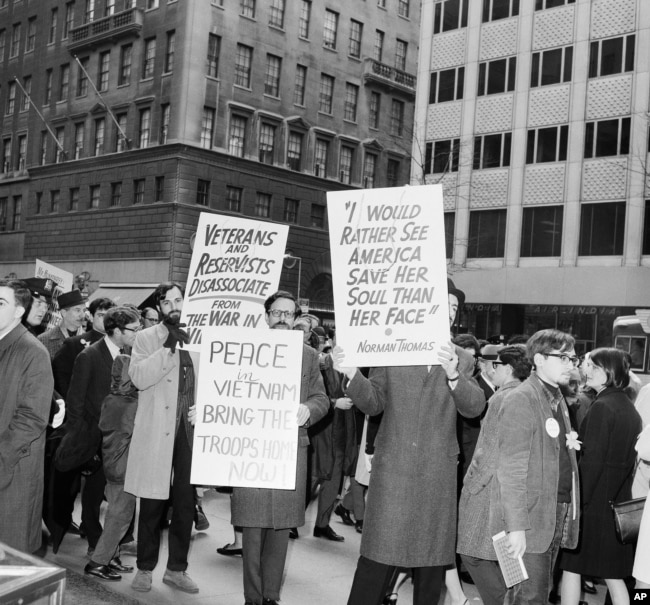
An exit strategy had been in place since 1969, President Richard Nixon’s famed “Vietnamization” policy, which he unveiled in a televised address to the nation.
The war spanned three American presidencies, starting with President John F. Kennedy, who first sent military advisors to aid the South Vietnamese, through the administration of President Lyndon Johnson, when American troop casualties spiked and the war became increasingly unpopular under the direction of then Secretary of Defense Robert S. McNamara, all the way to the Nixon presidency.
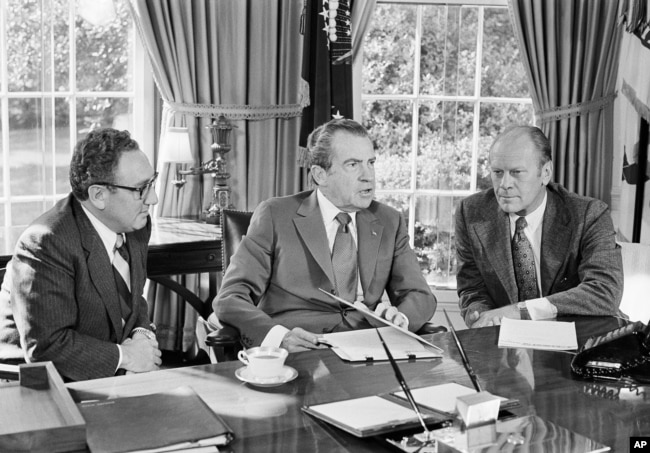
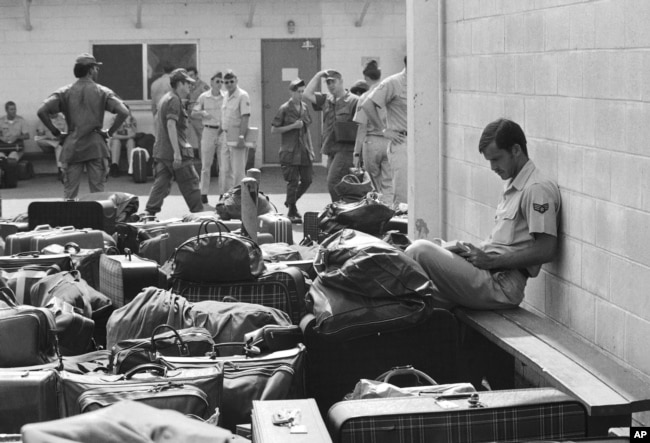
At the end of 1974, South Vietnamese authorities reported that 80,000 of their soldiers and civilians had been killed in fighting, making that year the war’s deadliest.
On April 30, 1975, the last few Americans still in South Vietnam were airlifted out of the country as Saigon fell to communist forces.
Vietnam War Quote
There is a simple prescription for peace--leave your neighbors alone."
Secretary of State Dean Rusk, May 22, 1964
Video ngày cuối VN war
Video diễn văn Tổng Thống Nixon
Ngày 29 tháng 03

- 57 – Hoàng thái tử Lưu Trang đăng cơ làm hoàng đế thứ hai của triều Đông Hán, tức Hán Minh Đế.
- 1853 – Manchester (hình) được ban tư cách thành phố, đây là thành phố công nghiệp đầu tiên trên thế giới, và trung tâm của vùng đô thị lớn thứ nhì tại Anh.
- 1974 – Các nông dân tại Tây An, Trung Quốc tình cờ phát hiện đội quân đất nung được tùy táng cùng Tần Thủy Hoàng.
- 1976 – Bay trên tổ chim cúc cu của đạo diễn Tomáš Forman trở thành phim thứ hai trong lịch sử giành cả năm hạng mục chính tại một lễ trao giải Oscar.

No comments:
Post a Comment